Nobody becomes an interior designer to spend evenings drawing wall sections. Yet for most small studios, drafting quietly consumes the hours that should go to design, clients, or sleep. Outsourcing it is how solo designers behave like bigger studios — but done badly, it produces drawings you redo at midnight. This guide covers when it makes sense, what it costs, how to hand off properly, and the red flags — from a studio that does this work for designers every day.
The short answer
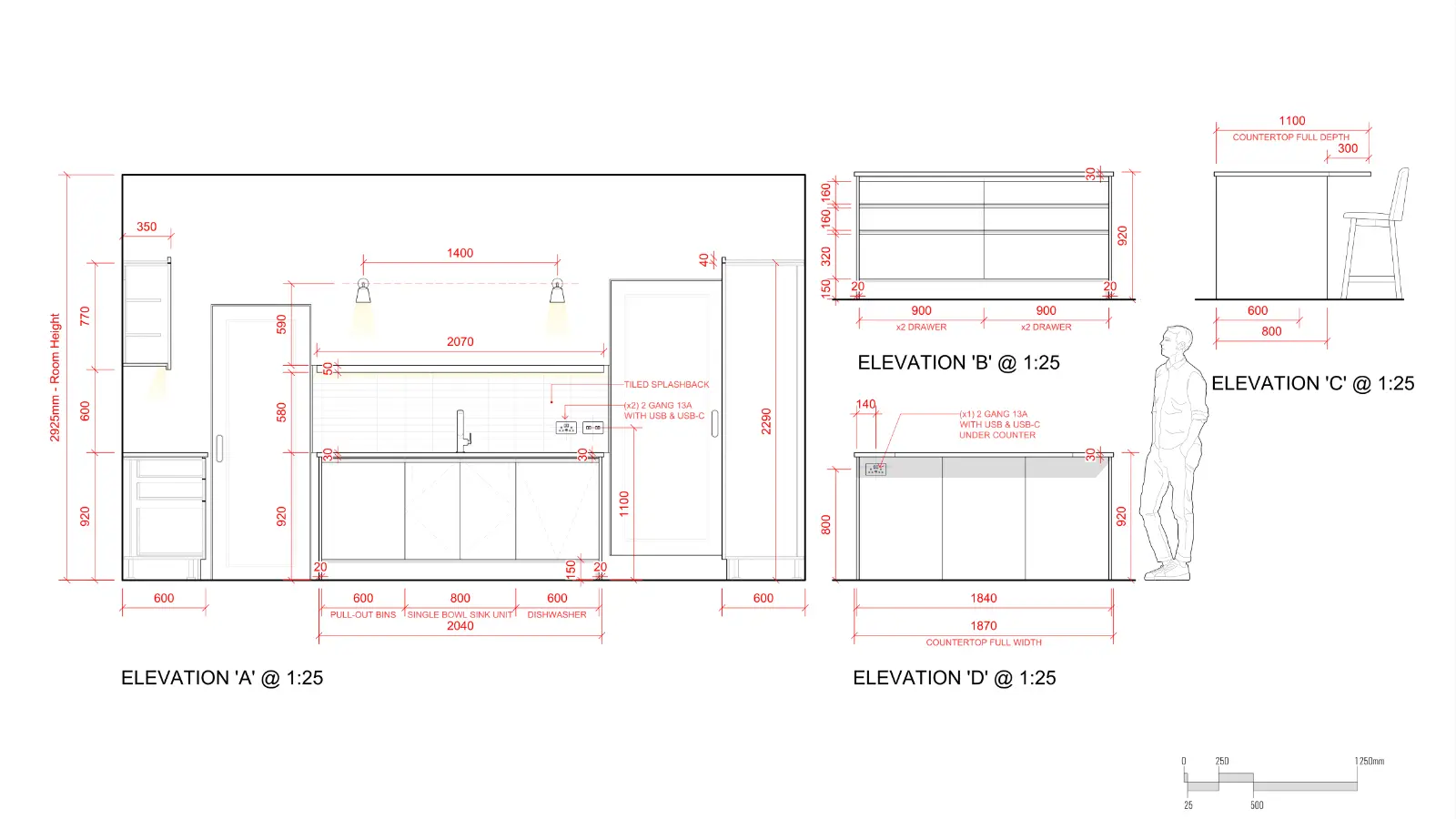
Almost the whole technical drawing layer travels well: plans, reflected ceiling and electrical, elevations, sections, joinery details, millwork packages, and redraws of site sketches into clean CAD. What should never leave your desk is design intent — a good drafting partner turns your decisions into documents rather than making the decisions. Outsource when drafting is stealing design hours or deadlines cluster; hire instead when you have genuine full-time drafting volume all year, because at that scale a salary is cheaper.
What you can actually hand off
Almost the entire technical drawing layer of a project travels well:
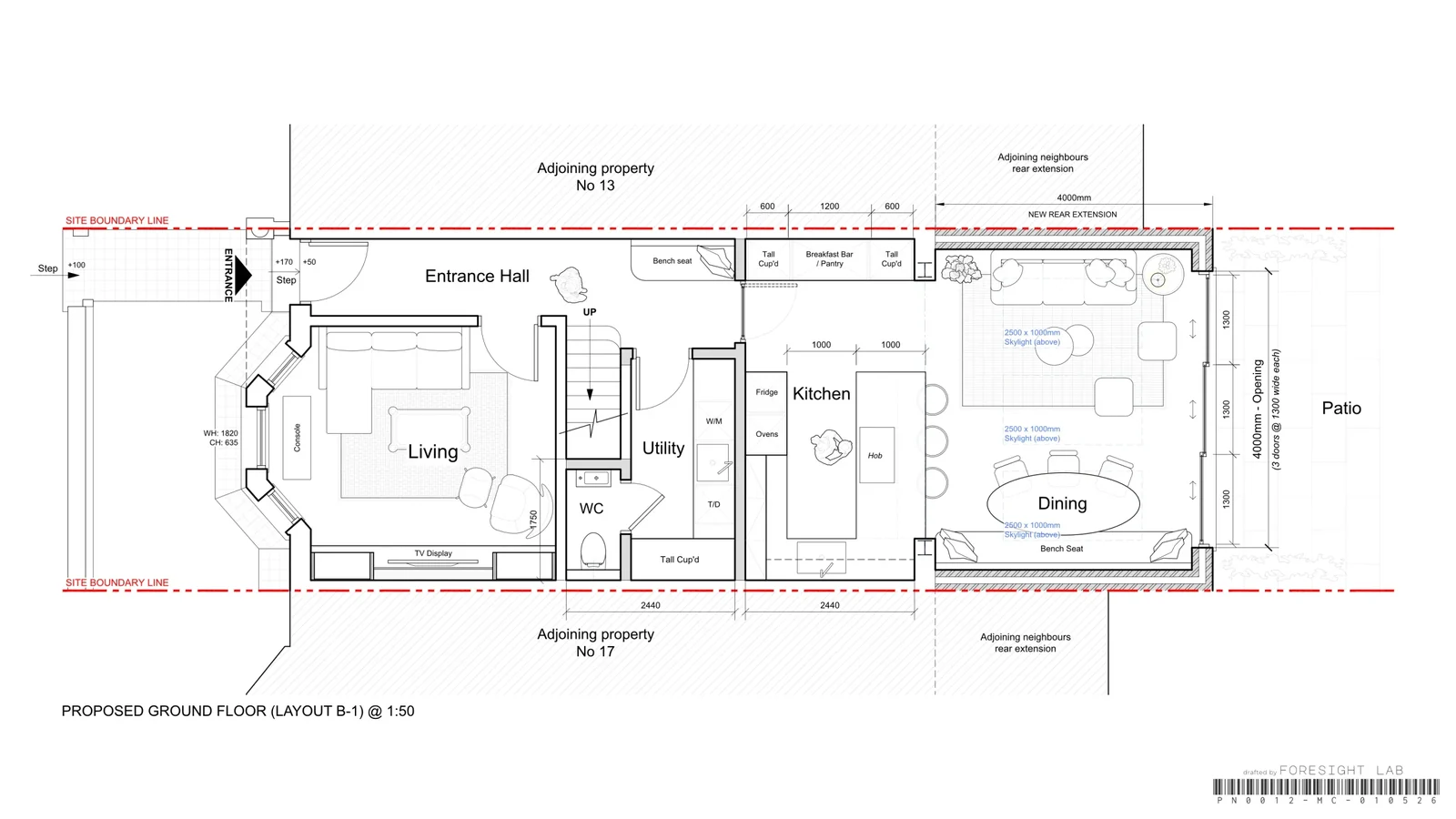
- Plans — floor plans, demolition and construction plans, furniture location plans, finish plans.
- Ceiling & electrical — reflected ceiling plans, lighting layouts, switching and power plans.
- Vertical information — interior elevations, sections, and the detail drawings joinery is built from.
- Millwork & cabinetry packages — the fabrication-level sets that eat the most hours in-house.
- Redraws — turning site sketches, old PDFs or scans into clean, editable CAD.
What shouldn't leave your desk: design intent itself. A good drafting partner turns your decisions into documents — they don't make the decisions.
When it makes sense — and when it doesn't
- Outsource when drafting is stealing design hours; deadlines cluster; you'd rather pay per project than carry salary, software seats and slow weeks; a big documentation package lands and your pipeline can't absorb it.
- Don't outsource when you have genuine full-time drafting volume year-round (hire — it's cheaper at that scale), or the work is exploratory sketching where the pencil is the thinking. Outsourcing shines from developed design onward, not during concept.
You are not buying drawings. You are buying your evenings back.
What it costs
Three models dominate, each fitting a different studio:
- Hourly — flexible for unpredictable work; global rates run roughly $15–60 depending on region and seniority. Ask for estimates per drawing so hours don't drift.
- Per sheet — a fixed price per finished drawing. The easiest to quote into your own fees, and it puts the efficiency risk on the drafter, not you.
- Retainer — a monthly block of capacity at a better rate, for studios with steady flow.
Against a full-time hire, the arithmetic is stark once you count salary, software licences, hardware and the quiet weeks you still pay for. Most designers who switch report the outsourced route costs a fraction of an employee — and scales to zero between projects.
The handoff: how drawings come back right the first time
Nearly every outsourcing horror story is really a briefing story. Complete inputs in, correct drawings out. The checklist we wish every client used:
- Scaled sketches or marked-up PDFs — hand sketches are fine if they carry dimensions.
- Verified site measurements — including ceiling heights and the door, stair and lift access measurements that decide what can physically arrive on site.
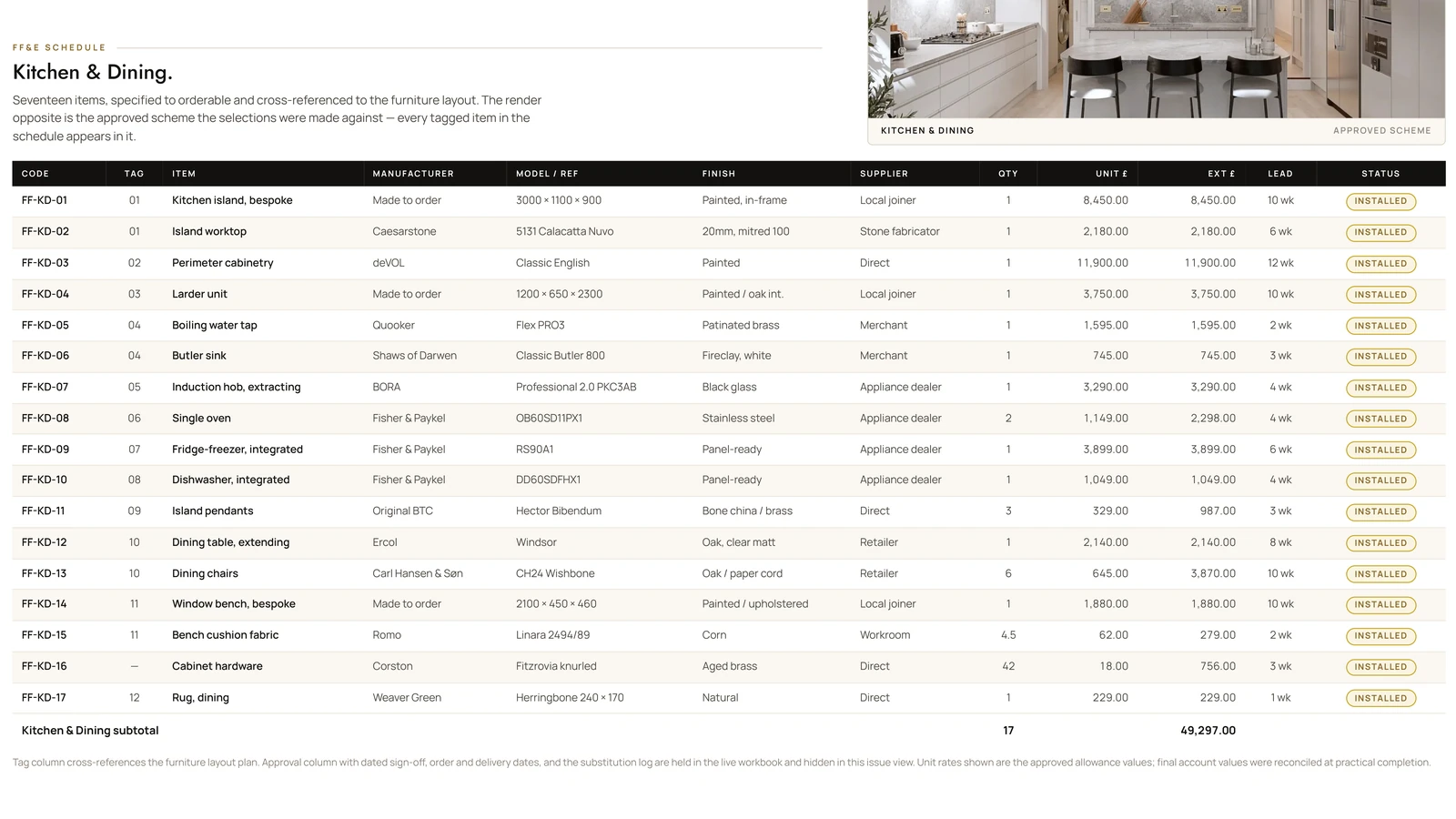
- Exact selections — fixtures, finishes and materials with real product codes, ideally straight from your FF&E schedule.
- One reference set — a past drawing package you like, so line weights, dimensioning habits and annotation style are copied, not guessed.
- Your standards — title block, layer naming, sheet numbering. A professional partner asks for these before the first line is drawn.
- A named decision-maker — one person answers questions, within an agreed response time, so the work never stalls in a group chat.
What a straight quote looks like
We quote this work, so treat the shape of it as informed rather than neutral. Three models exist, and each is honest for a different kind of job:
| Model | Right for | What to check |
|---|---|---|
| Per sheet | Defined packages — a set of plans, elevations and details | What counts as a sheet, and what happens to a sheet that is half empty |
| Per hour | Redraws, unknown scope, ongoing support | Whether the estimate is a cap or a guess, and who reports progress |
| Per package | A whole documentation set with a known scope | The revision allowance, and what falls outside the scope |
Whichever the model, a quote worth accepting says four things in writing: what standard the drawings are produced to (your layer standard or theirs), how many revision rounds are included, what the turnaround is from complete information rather than from your first email, and who owns the files afterwards. That last one is not paranoia — you want the editable DWG, not a PDF, and you want it without asking twice.
A quote that leaves any of the four unstated is not cheaper. It is the same price with the arguments postponed.
Choosing a partner: the red flags
- No questions asked. If they can start "immediately" without asking about standards, access measurements or reference sets — they're drawing to guess, and you'll pay in revisions.
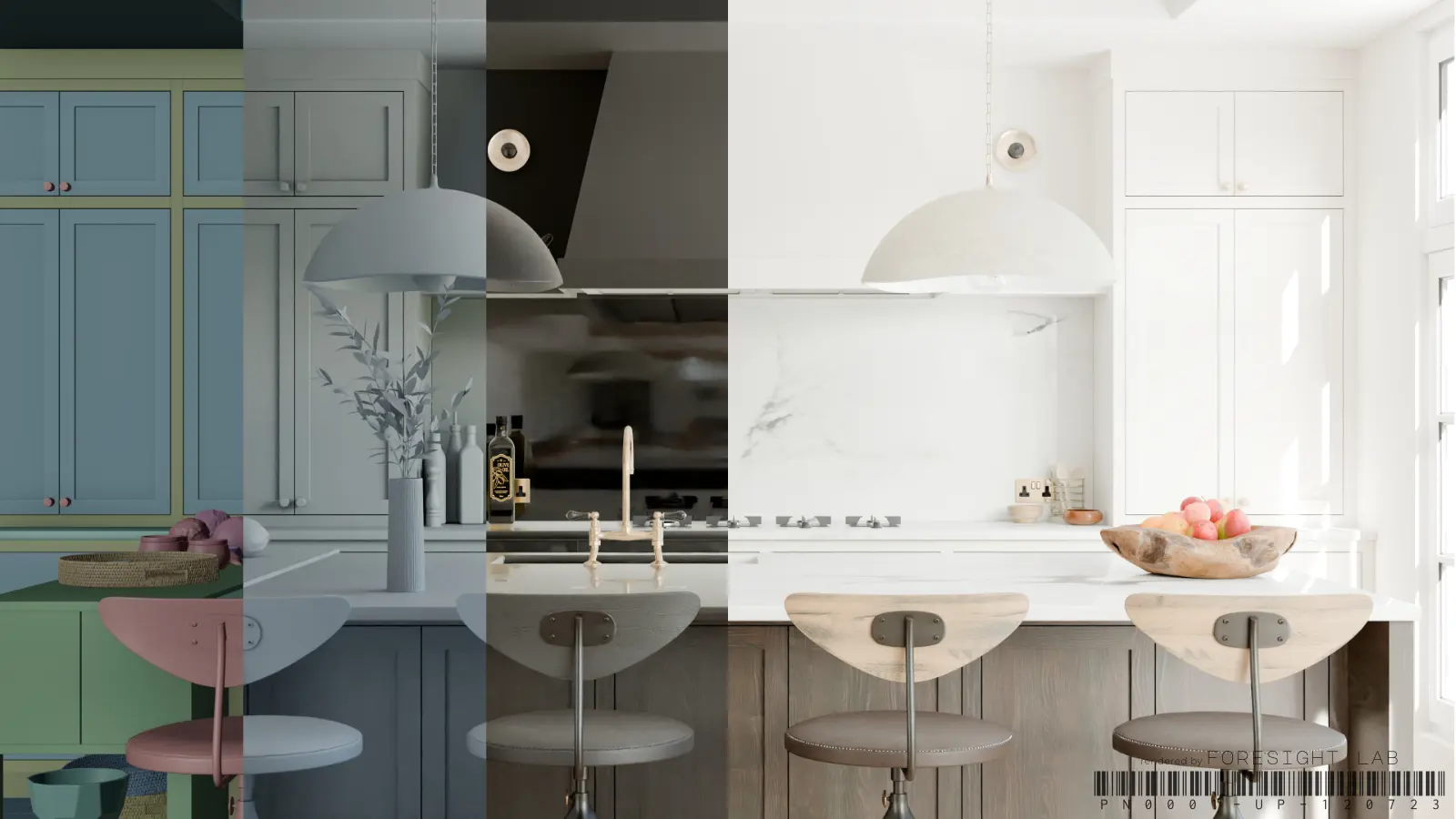
- A portfolio of renders but no drawing sets. Pretty images prove nothing about construction documentation. Ask to see a real (anonymised) package.
- No revision definition. "Unlimited revisions" sounds generous and means nothing — what counts is a written definition of a round and what's included.
- Vague file ownership. You should receive editable source files, not just PDFs, and the contract should say so.
- Silence across time zones. The zone gap is a feature only when communication is disciplined — agreed hours, response windows, one channel.
The time-zone advantage, used properly
Here's the part that surprises designers: with a partner in the right time zone, outsourcing isn't just cheaper — it's faster. Brief a Philippine studio at your 5pm, and drafts are waiting when you open your laptop at 9am. Your project effectively works a night shift you never see. We've built our whole CAD drafting service around that rhythm for US and UK designers.
Quick answers
How much does outsourced CAD drafting cost?
Hourly ($15–60 by region), per sheet (fixed, easiest to budget), or retainer. All of them beat a full-time hire until you have year-round drafting volume.
What do I need to send?
Dimensioned sketches or marked-up PDFs, verified site measurements, exact product codes, one reference set, your title block. See the handoff checklist above.
Will the drawings match my standards?
Yes — if you send standards and require a small paid pilot first. A good partner treats your conventions as law. If you have never written yours down, that is the harder half: the CAD Standards Kit is a layer standard, title blocks for both systems and plot styles you can hand over as they are.
Is my client's information safe?
With paperwork, yes: NDA or confidentiality clause, agreed storage, no reuse. A professional has this ready before you ask.
If you'd rather test this with a real project than a theory: send one drawing package — here's how the CAD service works, or brief us tonight and see what's on your desk in the morning.